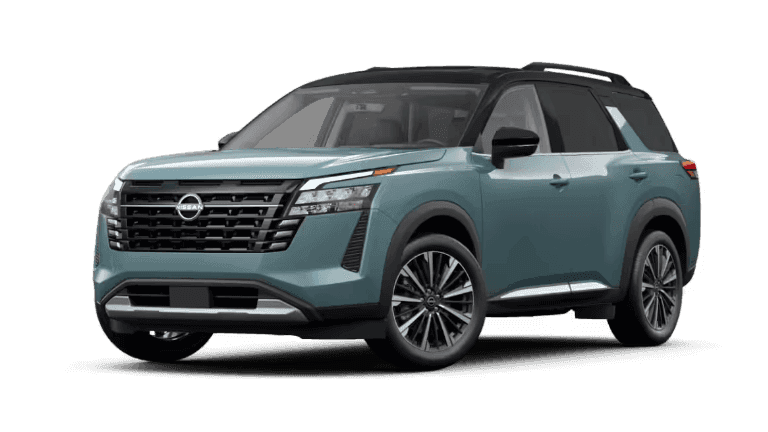
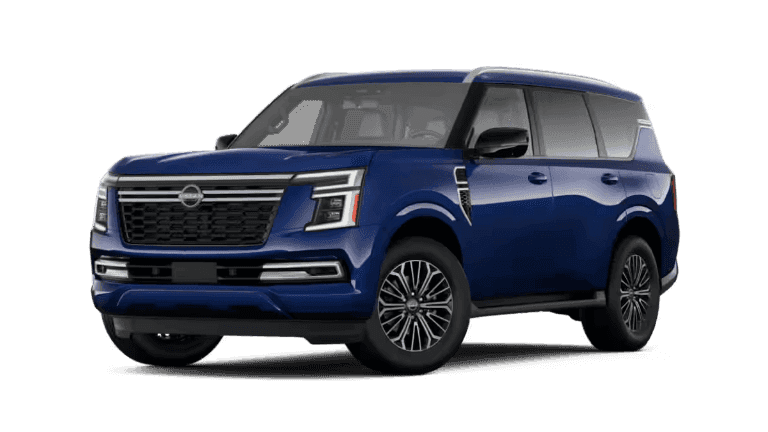
Looking for a rugged-yet-refined midsize SUV that’s ready for your next family adventure or weekend escape? The 2025 Nissan Pathfinder and 2025 Toyota 4Runner are two standout options in the midsize utility segment, each offering a distinct blend of power, capability, and everyday comfort. But which one is the better fit for your lifestyle around El Rio, Saticoy, Camarillo, or Channel Islands?
In this complete comparison guide, we’ll break down everything you need to know—pricing, performance, interior space, off-road capabilities, and more—so you can make the most informed decision possible. Whether you're leaning toward the Pathfinder’s family-focused features or the 4Runner’s trail-tested toughness, this guide will help you see how they really stack up.
For a closer look or to get behind the wheel of the 2025 Pathfinder, visit us at Team Nissan of Oxnard. You can also contact us today with any questions or to schedule a test drive. We’re here to help you explore every detail and find the SUV that fits your needs perfectly.
Which SUV Offers More Value in 2025?
If you're choosing between the 2025 Nissan Pathfinder and the 2025 Toyota 4Runner, price is likely one of the first things on your mind. These two midsize SUVs bring a lot to the table—space, power, and features designed for families and adventurers alike.
Here’s how they compare on pricing:
| SUV | Starting MSRP | Average Market Price |
| Nissan Pathfinder | $36,400 | $36,334 |
| Toyota 4Runner | $42,220 | $42,724 |
The Pathfinder comes in at a lower price across the board. That can make a difference for drivers looking to stay within budget, especially when adding optional features or moving up to higher trims.
Both SUVs offer a strong list of standard features, including:
- Blind Spot Warning
- Rear Parking Sensors
- Automatic Emergency Braking
- Rear Cross Traffic Alert
These shared features are helpful for everyday driving, whether you're navigating parking lots in Camarillo or heading out on the road from Saticoy.
Of course, value means more than just the sticker price. Things like fuel costs, interior space, and long-term comfort all play a role. While the Nissan Pathfinder vs Toyota 4Runner 2025 comparison starts with price, the full story unfolds in the details—and we’ll explore those next.
If you're still weighing your options, this guide will walk you through everything you need to know to help you make the right choice for your lifestyle.
Fuel Efficiency and Daily Driving
For many drivers, fuel use matters just as much as power or price. Whether you drive around El Rio each day or take long trips up the coast, you want a midsize SUV that keeps stops at the gas pump to a minimum.
Here’s how the Pathfinder and 4Runner compare when it comes to fuel use:
| SUV Model | City MPG | Highway MPG |
| Nissan Pathfinder (FWD) | 20 | 27 |
| Nissan Pathfinder (AWD Platinum) | 20 | 25 |
| Toyota 4Runner (2.4 Turbo) | 19 | 25 |
| Toyota 4Runner (Hybrid) | 23 | 24 |
The 4Runner hybrid leads in city driving. But on the highway, the Pathfinder is more efficient, especially in front-wheel drive form. For drivers in places like Camarillo or Channel Islands who do a lot of highway travel, that edge can make a big difference over time.
Another factor to note: the Pathfinder runs best on regular gas. Some trims of the 4Runner do too—but hybrid models often need special fuel. That can mean extra cost depending on where you live.
For a midsize SUV comparison off-road, fuel use is often tied to terrain. Driving on dirt roads, steep hills, or sand takes more gas no matter which SUV you choose. Still, the Pathfinder’s smooth power and lower fuel use on paved roads make it a strong choice for daily trips.
If your drive includes school runs in Saticoy, errands in Oxnard, and the odd trail ride on the weekend, both SUVs are up to the task. But when it comes to fuel use and ease of daily driving, the numbers give the Pathfinder a slight edge—especially for folks who spend more time on the road than off it.
Pathfinder vs 4Runner Capabilities On and Off the Road
When it comes to all-around strength, both the Pathfinder and 4Runner bring a lot to the table. From smooth rides in town to dirt trails in the hills, they each offer a blend of power and grip that suits different kinds of drivers.
Let’s break down the Pathfinder vs 4Runner capabilities to see how they stack up in real-world use.
On the Road
For city streets and long drives, comfort and control matter most. Here's what each SUV offers:
- Pathfinder: Front-wheel drive standard; all-wheel drive is available. It’s smooth and quiet on the road.
- 4Runner: Rear-wheel drive standard; four-wheel drive is available. It has a firmer ride and feels more like a truck.
- Suspension: The Pathfinder rides softer, while the 4Runner favors strength and ruggedness.
- Handling: The Pathfinder is easy to steer in tight spots. That makes it a good fit for local drives in places like Camarillo or El Rio.
Off the Road
The 4Runner shines in rough areas and on steep climbs. It’s built for trails. The Pathfinder, while not built as a trail rig, still holds its own when the road ends.
Here’s how they differ:
| Feature | Pathfinder | 4Runner |
| Drive Modes | Snow, Mud/Rut, Sand | Multiple off-road modes |
| Ground Clearance (Max) | 7.7 inches | Up to 10.1 inches |
| Suspension Adjustments | Standard setup | Optional adjustable suspension |
| Sway Bar System | Not available | Available with select trims |
| Off-Road Focused Trim | Rock Creek | TRD Pro, Trailhunter, more |
The Pathfinder Rock Creek trim offers some trail-friendly touches. It adds all-terrain tires and roof rails for gear. Still, the 4Runner’s off-road models go deeper with things like active sway bars and crawl control.
But here’s the key: most people don’t spend every weekend on the trail. For many drivers in Channel Islands or Saticoy, light off-road use is all they need. And that’s where the Pathfinder fits just right.
So while the 4Runner leans more toward rugged trips, the Pathfinder balances daily use with enough grit for the weekend. Both are capable—but they shine in different ways.
Interior Comfort and Seating Space
When choosing a family SUV, space and comfort matter just as much as power or price. The Nissan vs Toyota utility vehicle match-up gets interesting here—because each SUV takes a different approach to cabin design.
The Pathfinder is built with families in mind. It offers more seats, more small storage spots, and a more open feel inside.
Let’s compare the key numbers:
| Feature | Nissan Pathfinder | Toyota 4Runner |
| Seating Capacity | Up to 8 people | Up to 5 people |
| Third Row | Standard | Not available |
| Cargo (2nd Row Down) | 80.5 cu. ft. | 84.4 cu. ft. |
| Cargo (3rd Row Down) | 45 cu. ft. | 44.8 cu. ft. |
In real use, that third row in the Pathfinder means more options. Whether you're hauling kids to school in Saticoy or heading out with friends for a weekend in Camarillo, you’ve got room to spread out.
Other comfort features in the Pathfinder include:
- Tri-zone climate control
- Available heated and cooled front seats
- EZ FLEX seating for quick access to the third row
- Quiet cabin with soft-touch materials throughout
The 4Runner has a more rugged look and feel. It’s built tough, but it can feel dated inside compared to the Pathfinder. Its controls are simple and hard-wearing—great for trails, but less refined for long daily drives.
So, if you’re comparing the Nissan vs Toyota utility vehicle for family space and comfort, the Pathfinder makes a strong case. It offers room for more people and more gear—without giving up style or ease of use.
Utility and Cargo Space for Weekend Adventures
When you're packing up for a weekend trip to the Channel Islands or a hike near Camarillo, space matters. The Nissan Pathfinder vs Toyota 4Runner 2025 comparison highlights two strong midsize SUVs built for big plans—but with very different setups.
The Pathfinder focuses on flexibility. Its cabin is made to carry both people and gear. With a flat load floor and easy-fold seats, it’s simple to go from school carpool to beach trip in minutes.
Here’s how they stack up in terms of cargo:
| Configuration | Nissan Pathfinder | Toyota 4Runner |
| All Seats in Place | Less space | More space |
| Third Row Folded | 45 cu. ft. | 44.8 cu. ft. |
| Second Row Folded | 80.5 cu. ft. | 84.4 cu. ft. |
Need to carry long items like surfboards or camping gear? The Pathfinder’s second and third rows fold flat. That gives you more room to work with, especially if you're hauling both passengers and supplies.
Other handy utility touches in the Pathfinder include:
- Underfloor storage in the rear cargo area
- Roof rails for added gear like bikes or kayaks
- A motion-activated liftgate (available on select trims)
- Wide rear hatch opening for easy loading
The 4Runner brings rugged strength and a bit more max cargo. But it lacks a third row in many trims and doesn’t have the same small storage options inside the cabin.
For weekend adventures near El Rio or beyond, both SUVs can get the job done. But if you need a smart mix of people space, gear room, and daily ease, the Pathfinder offers more flexibility with fewer trade-offs.
Technology and Everyday Features
Both SUVs come equipped with technology that enhances convenience, safety, and connectivity. However, each one caters to slightly different needs, with the Pathfinder offering more user-friendly, everyday features that make it a great choice for both daily drives and weekend adventures.
The Pathfinder excels in offering advanced technology that simplifies life, whether you're running errands in Camarillo or taking a road trip to Channel Islands. It comes with:
- Apple CarPlay and Android Auto for seamless smartphone integration
- NissanConnect with available navigation and live traffic updates
- Available Wi-Fi hotspot to keep everyone connected on the go
- ProPILOT Assist for hands-free driving on highways and in traffic
- Motion-activated liftgate for easy hands-free access to the trunk
On the other hand, the 4Runner provides technology that’s more focused on off-road adventure. It offers solid safety features but doesn’t have the same level of connectivity as the Pathfinder. Key features in the 4Runner include:
- Apple CarPlay and Android Auto available on select trims
- Toyota Safety Sense 2.0, which includes lane departure alert and adaptive cruise control
- Integrated navigation available on higher trims
- Rear Parking Assist to aid in parking and reversing
While both SUVs are well-equipped, the Pathfinder stands out with its more modern, everyday tech. It’s designed to keep you and your family connected, safe, and comfortable during your daily commute or weekend getaways. The 4Runner, though strong on safety and off-road readiness, feels a bit less suited to day-to-day convenience.
Reliability and Long-Term Ownership
Reliability plays a major role in long-term ownership, especially if you're planning to keep your vehicle for years to come. Both the Pathfinder and 4Runner have solid reputations for durability, but they offer different experiences in terms of long-term performance.
Toyota’s 4Runner is well-regarded for its lasting power. Known for its rugged design, this SUV can handle both daily driving and off-road challenges with ease. Its proven reliability makes it a favorite among owners looking for a vehicle that can endure many miles of adventure.
On the other hand, the Pathfinder has a solid reliability track record as well, though it doesn’t have quite the same reputation as the 4Runner for extreme longevity. Still, it offers great value for families seeking a dependable vehicle for everyday use and occasional trips.
Here's a breakdown of key long-term ownership factors:
| Feature | Pathfinder | 4Runner |
| Warranty | 3 years / 36,000 miles | 3 years / 36,000 miles |
| Reliability Ranking | Generally reliable | Known for high reliability |
| Common Repairs | Lower frequency of issues | Higher need for off-road part replacements |
| Maintenance Costs | Generally lower | Can be more expensive |
| Durability | Solid for daily use | Excellent for extreme conditions |
The Pathfinder generally has lower maintenance costs and fewer major issues, making it a solid choice for families seeking reliability without high long-term expenses. However, if you’re looking for a vehicle that can handle rougher conditions over many years, the 4Runner’s proven track record for off-road resilience may sway your decision.
Both vehicles offer strong reliability, but the choice depends on whether you're prioritizing rugged durability or overall cost-effective ownership.
Safety Systems That Matter
When choosing a family vehicle, safety is key. Both the Pathfinder and 4Runner offer a variety of advanced safety systems to protect you and your loved ones. Let’s dive into what these vehicles bring to the table when it comes to safety features.
Standard Safety Features
Both models come with a solid foundation of safety features that keep drivers and passengers secure. Here’s a quick look at what you can expect:
- Automatic Emergency Braking: Standard in both vehicles to help avoid potential collisions.
- Blind Spot Monitoring: Alerts you to vehicles in your blind spots to enhance driving awareness.
- Rear Cross-Traffic Alert: Warns you of approaching traffic when reversing out of parking spots.
- Lane Departure Warning: Monitors lane position and provides alerts if you begin drifting unintentionally.
Advanced Driver Assistance Systems
While both SUVs offer essential safety features, there are differences in available systems:
Pathfinder:
- Adaptive Cruise Control: Optional, helps maintain a set distance from the car ahead.
- Surround View Camera: Optional, offers a bird’s-eye view of the area around the vehicle for easier parking.
4Runner:
- Parking Support Brake: Standard on certain trims, helps prevent collisions when reversing.
- Secondary Collision Brake: Standard, automatically applies the brakes to prevent further damage after an initial impact.
Off-Road Safety
For those who venture off the beaten path, the 4Runner offers extra off-road safety systems. These systems help manage rough terrain and provide more control in unpredictable conditions:
- Crawl Control: Available on the 4Runner, this system helps maintain a steady speed on rugged trails.
- Hill Start Assist: Both vehicles offer this feature, but the 4Runner’s advanced off-road settings make it a standout for tough terrain.
Both vehicles are built with safety in mind, but their systems cater to different needs. If you’re after advanced tech and urban safety, the Pathfinder has you covered. For those seeking rugged off-road capability combined with safety, the 4Runner may be your best bet. Either way, you can feel confident knowing that both options prioritize protection on the road and beyond.
Tires, Suspension, and Driving Confidence
Both the Pathfinder and 4Runner offer a solid ride, but their approach to tires, suspension, and overall driving experience cater to different preferences. Let’s break down the details to see how each model delivers driving confidence.
Tires and Wheels
The size and design of the tires on each SUV play a big role in their handling and overall comfort. Here's a comparison of the key details:
Pathfinder:
- Tire size: 255/60R18.
- Wheels: 5-lug design, suited for a smoother ride on paved roads.
- Spare tire: Temporary spare, which limits distance and speed for replacement.
4Runner:
- Tire size: 265/70R17, larger tires for better traction, especially off-road.
- Wheels: 6-lug design for longer wheel bearing life and better strength.
- Spare tire: Full-size spare, ideal for long trips with fewer concerns about flat tires.
Suspension and Handling
The suspension system plays a critical role in both comfort and performance. Here’s how the two vehicles compare in this area:
Pathfinder:
- Suspension: Designed for a smooth ride on urban streets and highways.
- Adjustable shocks: The Pathfinder lacks adjustable shocks, which means it doesn’t offer the same customization in ride quality.
- Off-road performance: While capable of light off-roading, the suspension doesn’t have the heavy-duty design of the 4Runner.
4Runner:
- Suspension: Offers more robust features like an available driver-adjustable suspension system.
- Active sway bars: Found on the Trailhunter/TRD Pro trims, these help maintain balance when navigating rough terrain.
- Off-road performance: With higher ground clearance and specialized suspension, the 4Runner excels in off-road environments.
Driving Confidence
Driving confidence is key, especially when you’re exploring new routes or venturing off the pavement. Both SUVs provide features that enhance control and comfort.
Pathfinder:
- Ideal for urban driving and highway cruising.
- Steering system: Offers precise control, making it easy to maneuver in city traffic and tight parking spaces.
- Handling: Designed for comfort over rugged terrains, it’s best for drivers who prefer smooth rides.
4Runner:
- Better suited for off-road driving with features that support uneven terrain.
- Steering: Less responsive than the Pathfinder, but better suited for rugged conditions.
- Handling: Designed for tougher environments, it feels more confident on trails and backcountry roads.
Overall, the Pathfinder offers a more refined ride for daily driving, while the 4Runner shines when it comes to off-road durability and performance. If you value a comfortable, smooth drive for everyday use, the Pathfinder might be the better choice. But if off-roading and adventure are a priority, the 4Runner stands out with its tougher suspension and tire setup.
Final Comparison: Which SUV is the Best Fit for Your Needs?
Choosing between these two midsize SUVs depends on what matters most to you. If comfort, space, and daily ease are high on your list, one option may stand out. It offers a quiet ride, smooth handling, and a fuel-efficient engine that fits well into family life. The cabin is roomy and well-equipped, making every trip—short or long—a bit more relaxed.
On the other hand, if your weekends involve trails, dirt roads, or remote getaways, the more rugged pick may better suit your lifestyle. Its strong off-road build, taller stance, and trail-ready features help it shine in rougher terrain. It feels most at home beyond the pavement.
Both options bring a lot to the table:
- Plenty of space for passengers and gear
- Solid safety features to keep you protected
- Reliable tech for maps, media, and more
But if your focus leans toward comfort, daily use, and modern convenience, the Pathfinder checks those boxes with confidence.
Still deciding? Stop by Team Nissan of Oxnard to get a closer look at the Pathfinder. We’ll walk you through the details, answer your questions, and help you see how it stacks up for your needs. Whether you need a capable daily driver or something ready for longer trips, we’ll help you make a choice that works.
Frequently Asked Questions
Still weighing your SUV options? These quick answers can help you compare the most important features between the Pathfinder and 4Runner—whether you're thinking about comfort, capability, or long-term value.
Which SUV is better suited for off-roading, the Pathfinder or the 4Runner?
The 4Runner is better suited for off-roading due to its body-on-frame build, higher ground clearance, and off-road gear.
How do their designs differ in terms of body-on-frame vs unibody construction?
The Pathfinder uses a unibody design for better on-road comfort. The 4Runner uses a body-on-frame structure for added off-road strength.
What are the major contrasts in interior comfort and tech features?
The Pathfinder offers a more refined interior, smoother ride, and more up-to-date tech features aimed at families and daily driving.
Are towing and cargo capacities significantly different between the two?
Both SUVs tow around 6,000 pounds. The Pathfinder has more interior space for passengers and gear, while the 4Runner is more utility-focused.
Which model is more cost-effective in terms of maintenance and overall ownership costs?
The Pathfinder tends to have lower maintenance costs and better fuel economy, making it more cost-effective for most owners.
Ready to Learn More or Take the Next Step?
If you're still weighing your options, don’t hesitate to contact us at Team Nissan of Oxnard for more information on the 2025 Nissan Pathfinder or to explore our wide selection of vehicles. Whether you're from El Rio, Saticoy, Camarillo, or Channel Islands, we are here to help you find the perfect family SUV. Our friendly team can assist you in understanding all the details to help you make the best choice for your needs.
While you're here, be sure to check out other in-depth comparisons like the Pathfinder vs Pilot, or explore how the 2025 Nissan Kicks stacks up against the Subaru Crosstrek and Kia Seltos. These helpful guides dive into similar features and specifications, helping you decide on the ideal vehicle for your lifestyle.
Visit us today and experience why the Pathfinder may be your perfect match!